#13 Cenotes
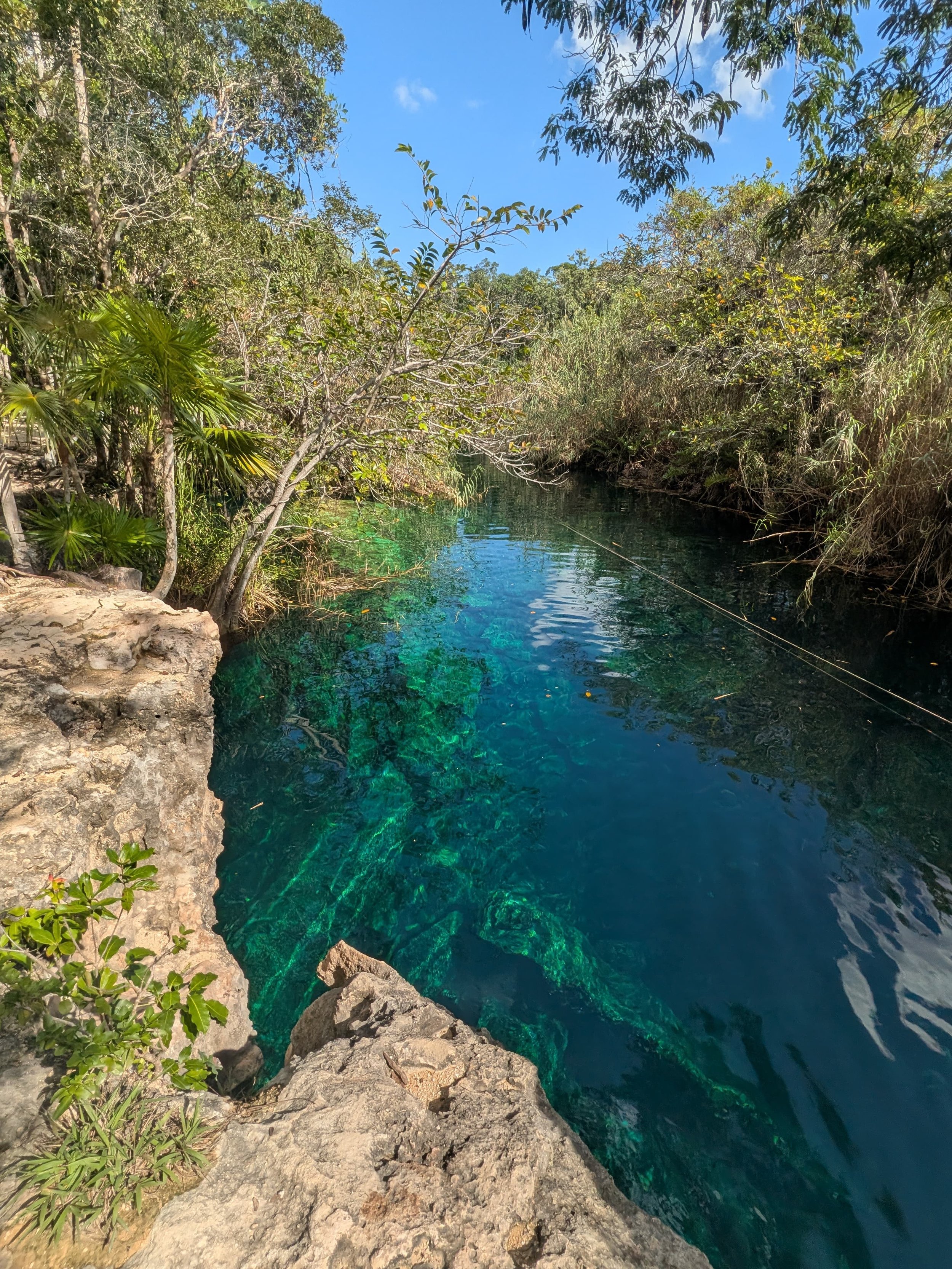
In the eastern Mexican states of Yucatan and Quintana Roo lies the magical world of cenotes – these aquamarine freshwater pools that come in various shapes, sizes and depths. We had only vaguely heard of cenotes before our trip but were blown away by what we saw and experienced.
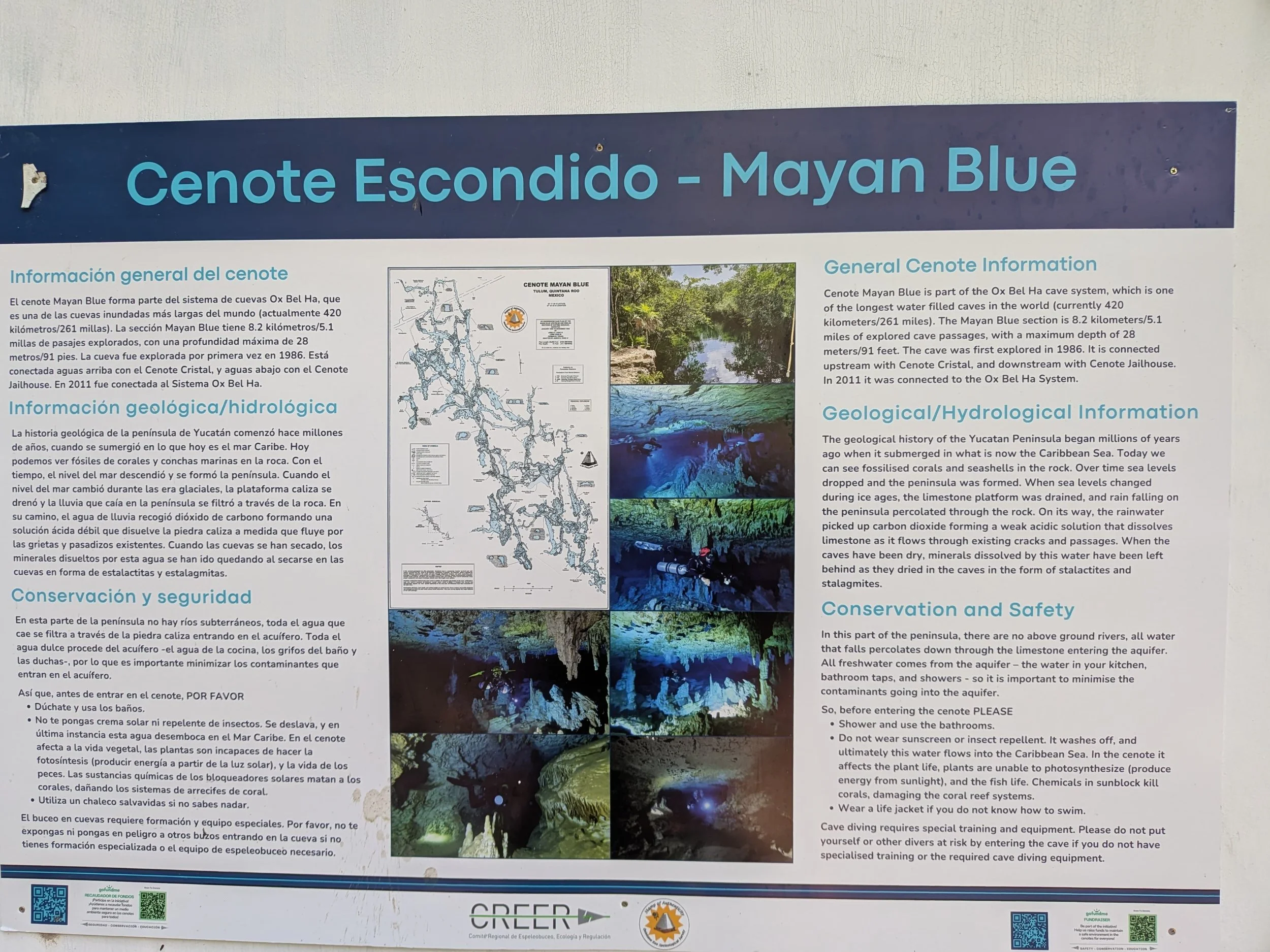
Cenotes are essentially holes on earth’s surface that provide access to underground water and typically formed due to a collapse of limestone bedrock. Cenotes exist in several countries (Australia, US, Canada, Greece etc.) but only a handful in each whereas the Yucatan peninsula boasts of 10,000 of them! As many as 1600 kilometers of these underwater interconnected passages have been explored and mapped!
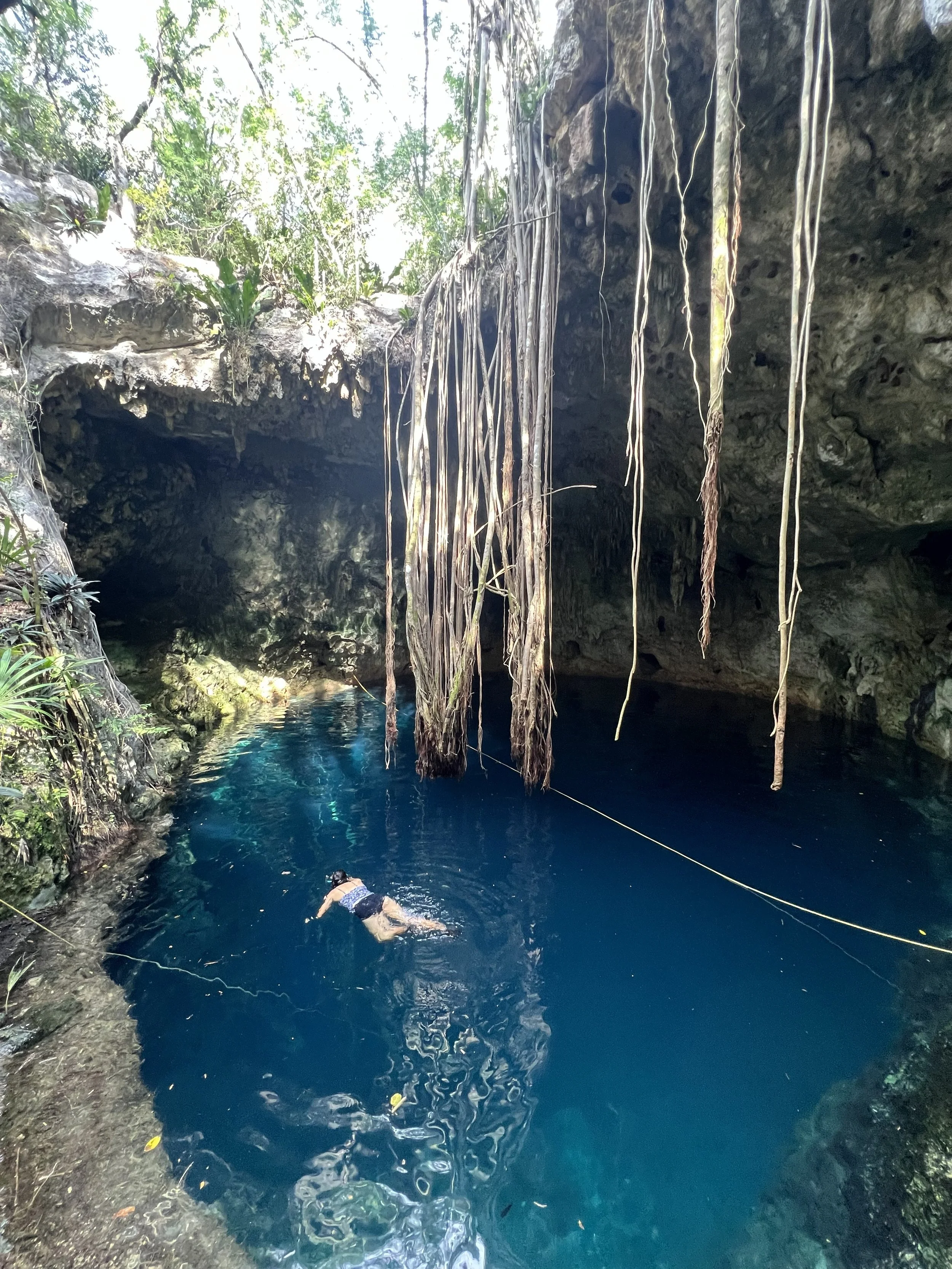
In all we swam in 5 cenotes of different types – our first (an open cenote near Tulum) resembled a small pond, the second one (a semi-open cenote also near Tulum) was a complex extended stretch that had a mix of open water, some caverns and some gullies with some fish to give us company, the next three (a mix of cave and semi-open cenotes in the Yucatan) required us to go down flights of stairs to find these magical subterranean pools of aquamarine water, bathed in mesmerizing light filtering in through the access holes. Interestingly, some were only a few feet deep and we could see the bottom, while others seemed bottomless.
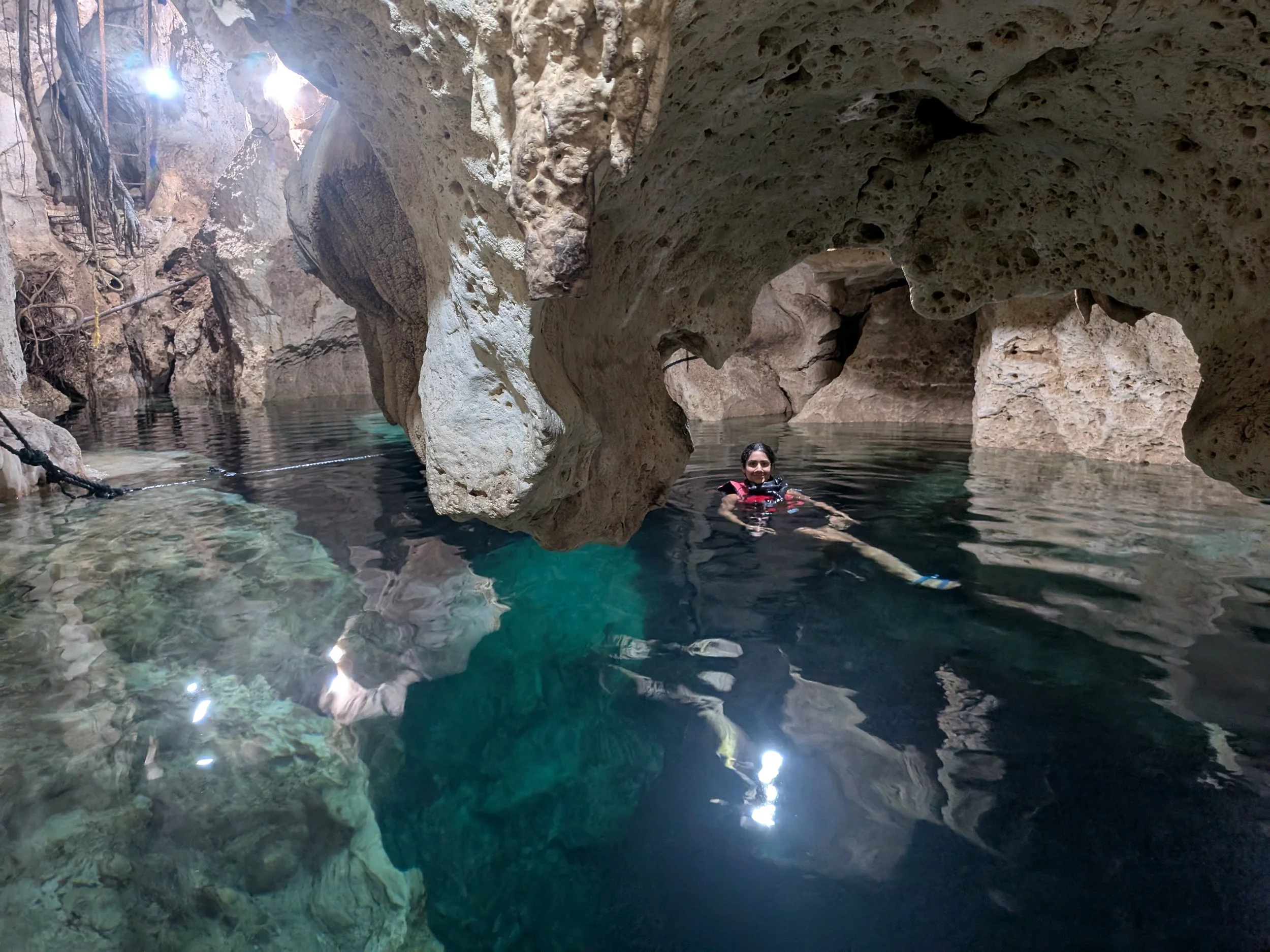
We then signed up for two scuba dives – the first served as an orientation dive into cenote diving – this was fun, but the second one was really cool, as we explored extended caverns. It required a high level of buoyancy control and piloting as we weaved through stalactites and stalagmites frequently changing depth and required complete comfort with scuba diving as we had no open water above us for much of the 35-minute dive. This also meant these caverns were pitch dark and required us to navigate entirely using flashlights. Certified divers with plenty of experience apparently spend 2 or more hours (carrying multiple nitrox tanks) exploring the elaborate cave systems.
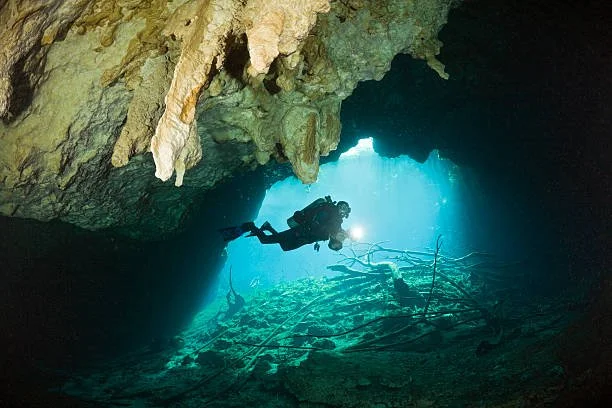
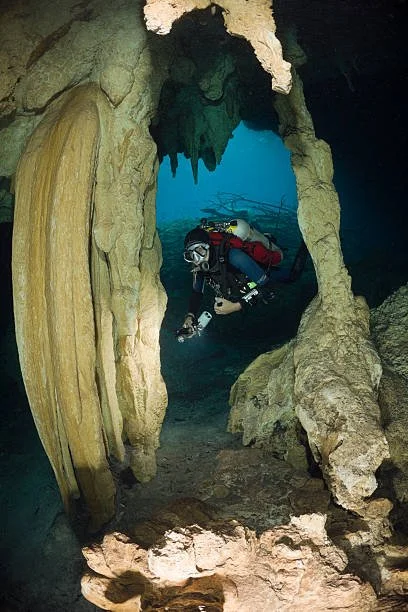
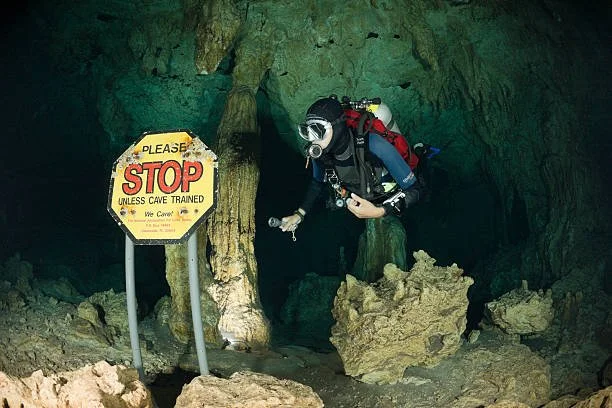
A curious fact is that these cenotes are owned by whoever owns the tract of land in which they exist. Each cenote owner has either left it fairly untouched or provided for access (stairs, ropes etc.), restrooms, small cafes – for which they charge a modest fee.
In addition to the cenotes, we experienced something near Tulum we had previously not in any part of the world we have travelled to. Swimming (or more precisely floating) down a canal of absolutely clear water between mangroves in the Sian Ka’an Biosphere Reserve!! It was so so much fun, one of the coolest experiences we have ever had. We have been to many mangroves around the world but most have muddy water – the only other one with clear water was in Turks and Caicos where we kayaked our way around and it was cool to see turtles, small sharks and fish in this clear water. But here, we were able to get into the water and simply float down the channel for a kilometer or so for a good 30 minutes. If we ever return to the Tulum area, we would love to do this again even more than go back into the cenotes!
