#12 Yucatan Peninsula
We led off our 3-week trip to Mexico (Dec 2025 - Jan 2026) with a 2 week stay in the Yucatan Peninsula, during which the first 3 days were spent in the quaint beach town of Tulum (an hour from Cancun) followed by a relaxed 10 days just outside a little nondescript village in the heart of the Yucatan state.
It’s interesting how this leg of the trip came about. We wanted to visit and spend a week with our longtime friends who had moved to Mexico about a year ago but we had about 2 weeks to account for between our trips to South Texas and Florida and seeing the aforementioned friends. Namita came up with the great idea to do other parts of Mexico as the filler when Mexico did not otherwise feature in our list of go-to places!
But where in Mexico? We looked up the US State Department advisory map (below) and the decision was made for us - it had to be one of the two states in green, and between them, we picked the one with easier airport access, and bingo, it was the state of Yucatan for us!
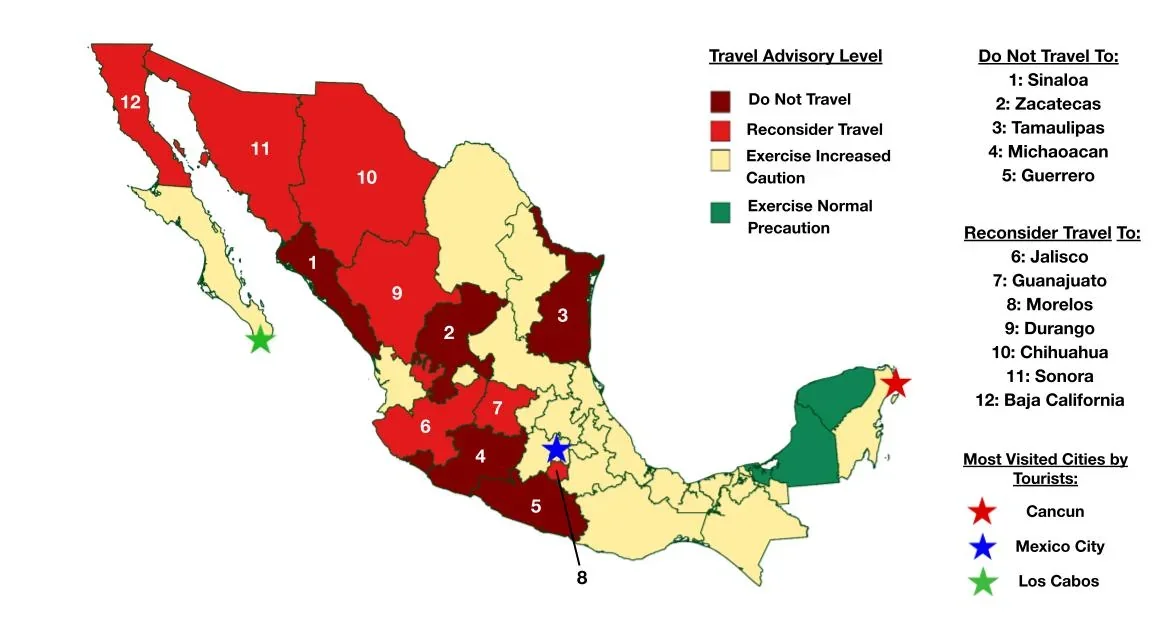
Map from US State Department Advisory
Even though we picked the “safest” state, thanks to all the noise around gangs and cartels in Mexico, we were still somewhat concerned going in about how safe it would be to travel around the area, particularly outside the well-trod paths in and around the Cancun-Tulum belt. And how utterly unfounded these fears turned out to be. We drove 1500 kms across the peninsula and cantered through several town and village centers and markets, while staying on a ranch on the outskirts of a little village far away from any population center and not for a moment during the 10 days in the state did we feel even remotely threatened or concerned in any way.
For starters, the people of the Yucatan (mostly of Mayan descent) are the most simple, authentic, and friendly people you could find, and they go about their daily business totally unconcerned with visitors. From the very first day we landed, we were completely at ease, and did not have to look over our shoulders or to hold on to our phones or bags for dear life. This included the beach town of Tulum which is frequented by Western tourists and typically the type of place that often attracts petty crime - but no, none of that here.
An aside: Following our stay in the Yucatan, we spent a couple of days in Mexico City and a week with our friends in the state of Queretaro, both of which areas are marked in yellow and well within range of the red/maroon states in the above map. From our experience and more importantly based on the lived experience of more than a year of our friends, these places are super safe too. All of this not to downplay the real risks that prevail in some of the states but to point out that the ground realities are often different from perceptions and state department assessments.
Now back to the Yucatan! Here are some of our random observations on this predominantly Mayan state:
Driving and Roads
The roads were almost entirely in very good condition, and for the most part, light in traffic. The tolled highway from Cancun to Merida was in spotless condition, well-marked, and had little traffic all the way through. As regards driving culture, there is the perception in the US that driving in developing countries is like the Wild West, but that is far from the truth from our experience. We have driven in Costa Rica, Colombia and now in Mexico, and we find road users to be respectful of rules and fellow drivers. In fact, there are no large trucks trying to run you off the road, no evidence of road rage, no bumper to bumper traffic, and very little of packed, tense highways - it is all so much more chill.
Town square
We passed through several little towns and every single one of them had a town square characterized by an open area, an impressive building and the town name prominently and colorfully displayed!
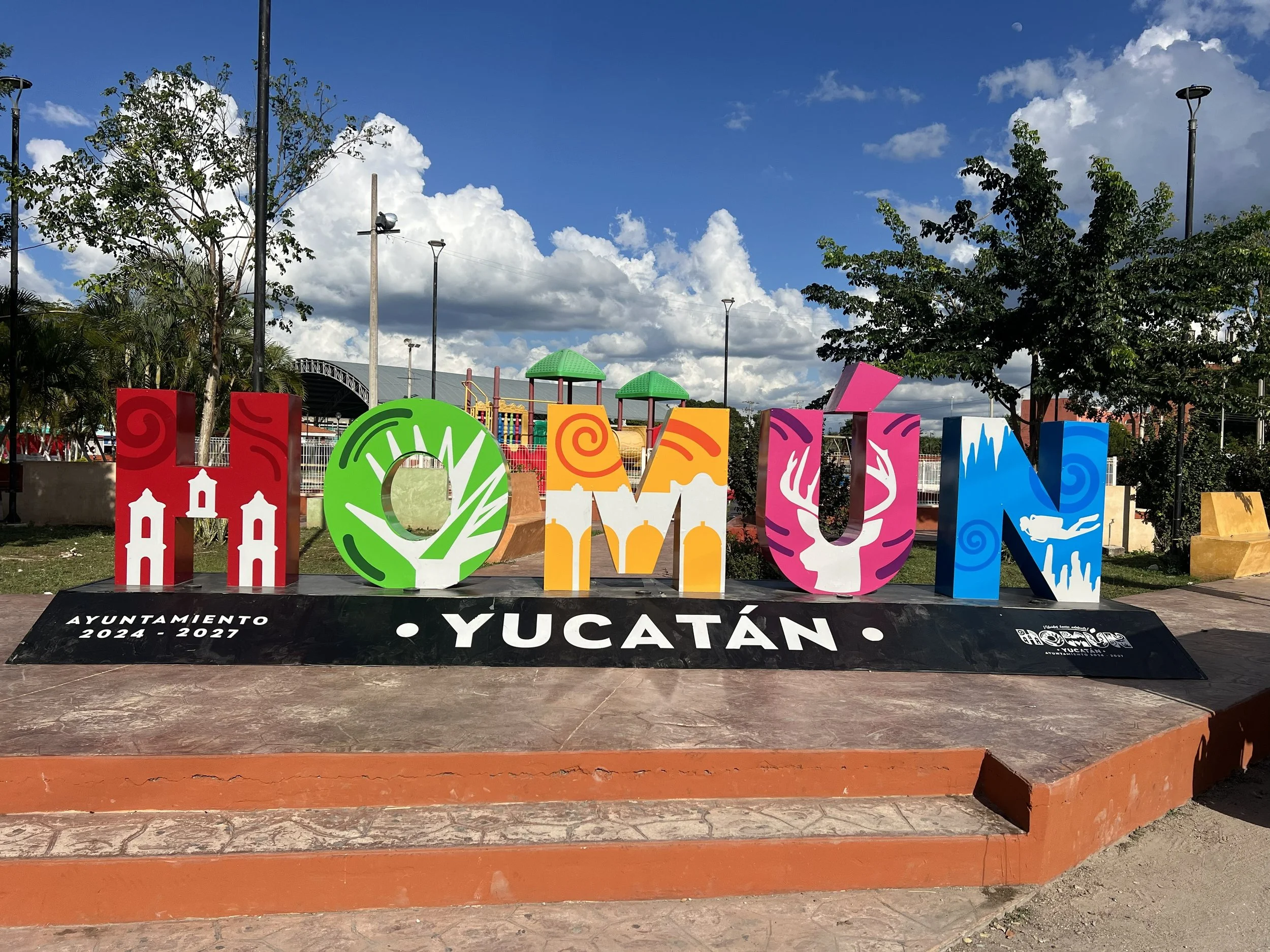
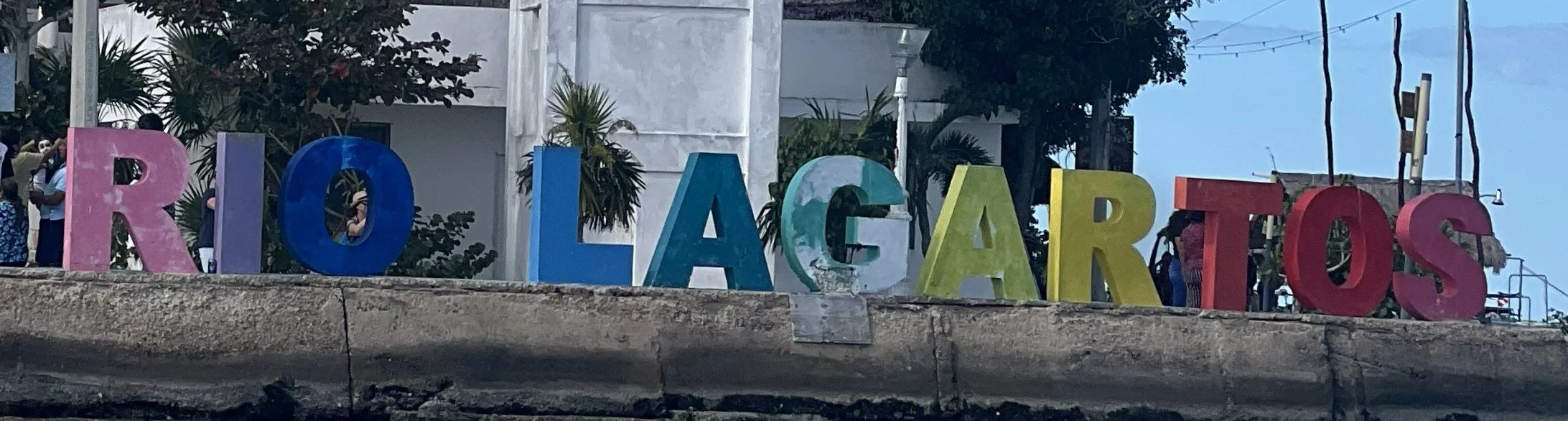
People of Mayan vs Spanish descent
While it has been a few centuries since the Spanish came in to Mexico, and while I am sure there has been an amalgamation of cultures and food and assimilation of people, you can clearly see people of native heredity separate from those with European ancestry. The small towns and villages of Yucatan were populated almost entirely by people of Mayan descent, whereas Merida appeared to be peopled mostly with Spanish roots.
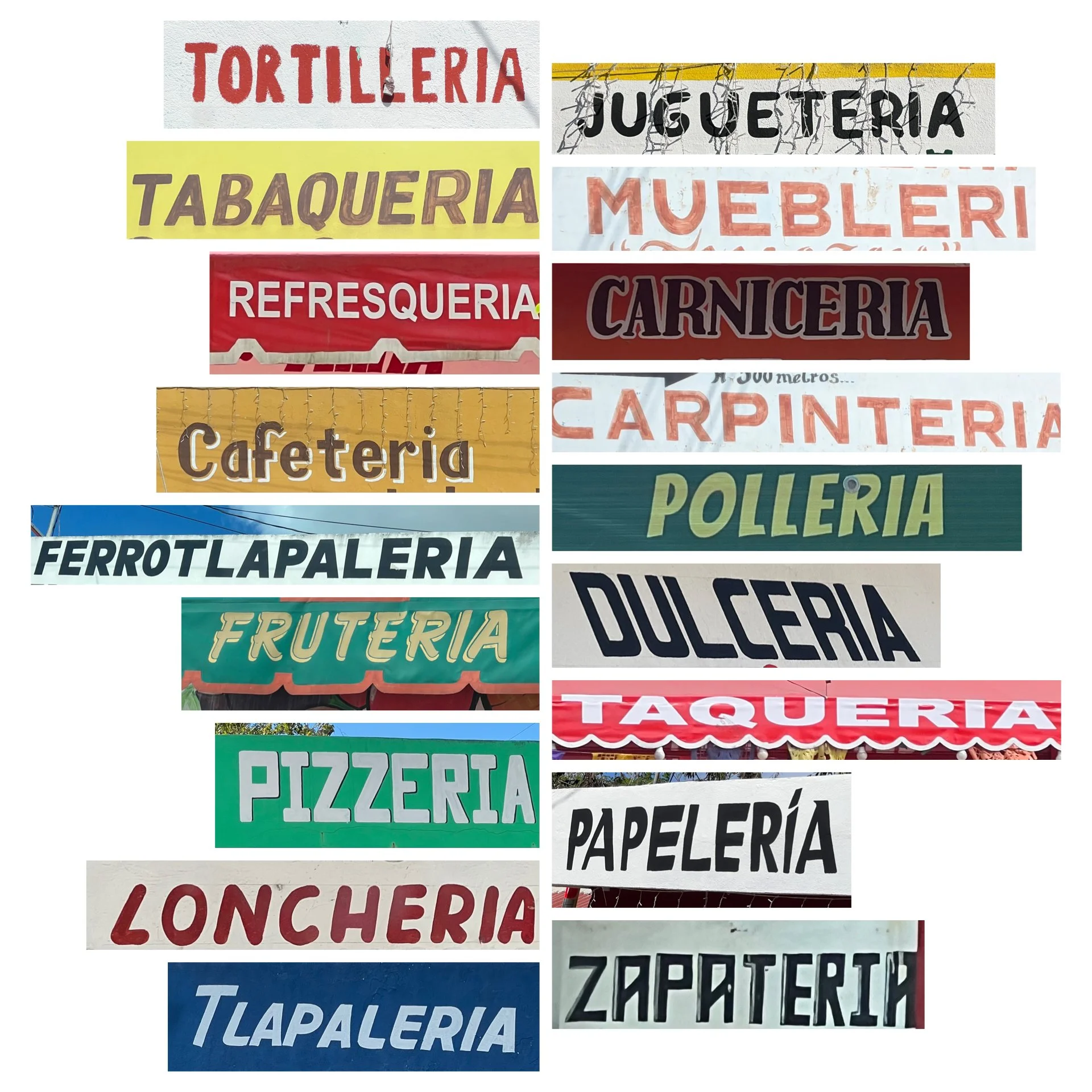
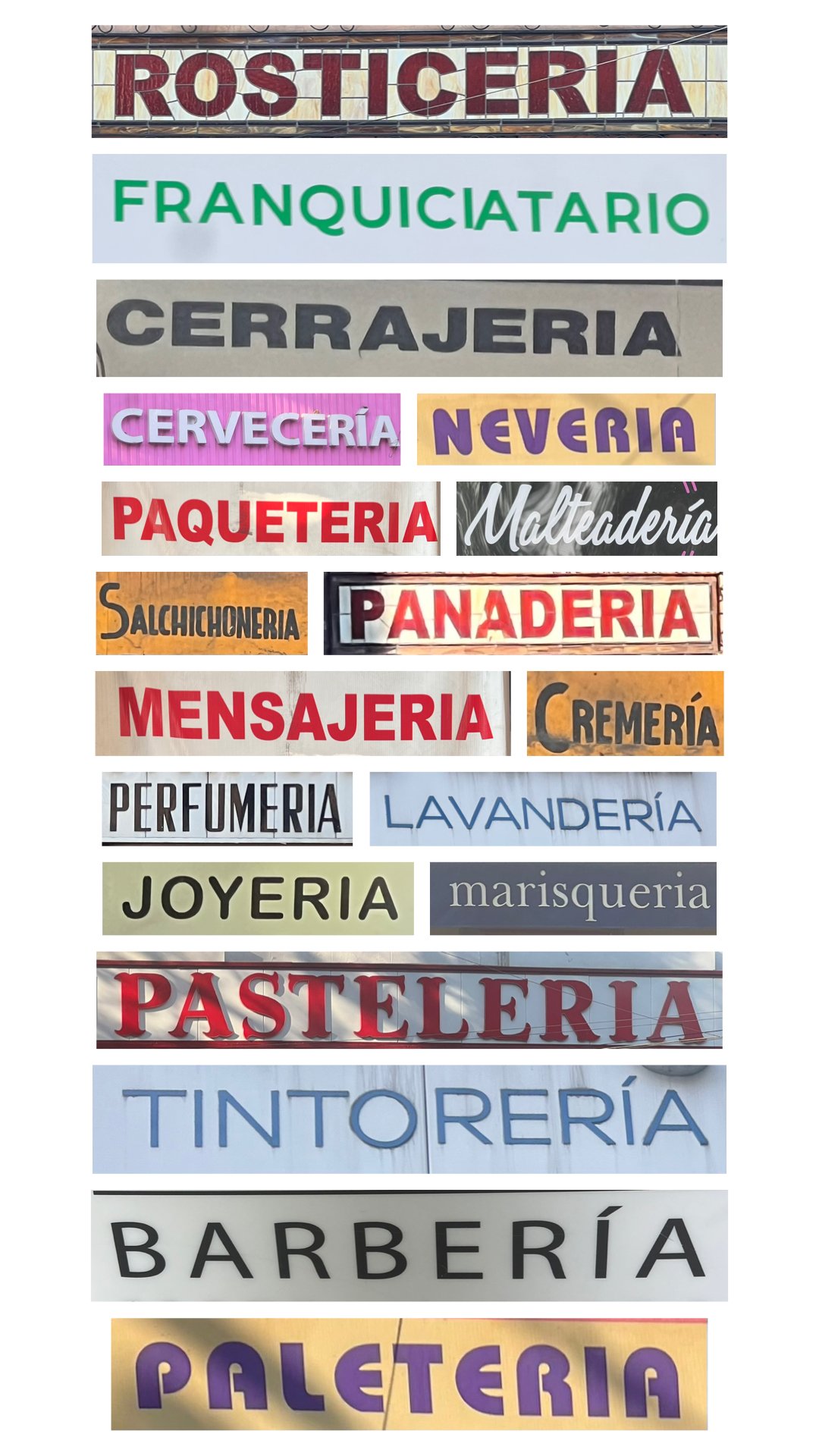
“Erias”
We had heard of taquerias, cafeterias and pizzerias but were highly amused by the variety of “erias” we came across all over Mexico - here is a collage we created from the pictures we took. For a number of new “erias” that we spotted while driving, we would screech to a halt, turn around and go back to the spot or one of us would run back!
Getting by with our Spanish
The people of the Yucatan by and large spoke only Spanish - they did not know even the most rudimentary English! And so it really helped that we had invested time learning a bit of Spanish over the past few weeks, Namita in particular took several hours of lessons from a lovely tutor she found online (and whom we met in person in Mexico City!!). We could at least string together questions without having to seek Google Translate’s help every single time, and get at least the gist of what the response was, even though the responses were almost always overwhelming! A simple question would trigger an answer comprising multiple phrases/sentences said at staccato pace! But being able to pick out those one or two familiar nouns/verbs was a huge help! It also helped to be familiar with various words that we came across on road / street / store signs. Having said all this, there is a very long way to go before we can have a true conversation in Spanish but we will get there with a few more of these trips to Central/South America!
Street food
The variety of clean, affordable, delicious and ubiquitous street and cafe food in the Yucatan (and as we were to discover, elsewhere in Mexico) is mouthwateringly staggering! This included tacos (al pastor, arrachera), ceviches, vampiro, cochinita pibil, tamales, empanadas, panucho, pierna de puerco, arroz souffle, horchata, chicharron, relleno negra, poc-chuc, salpecon de res, chilaquiles, chocolomo, and elotes.
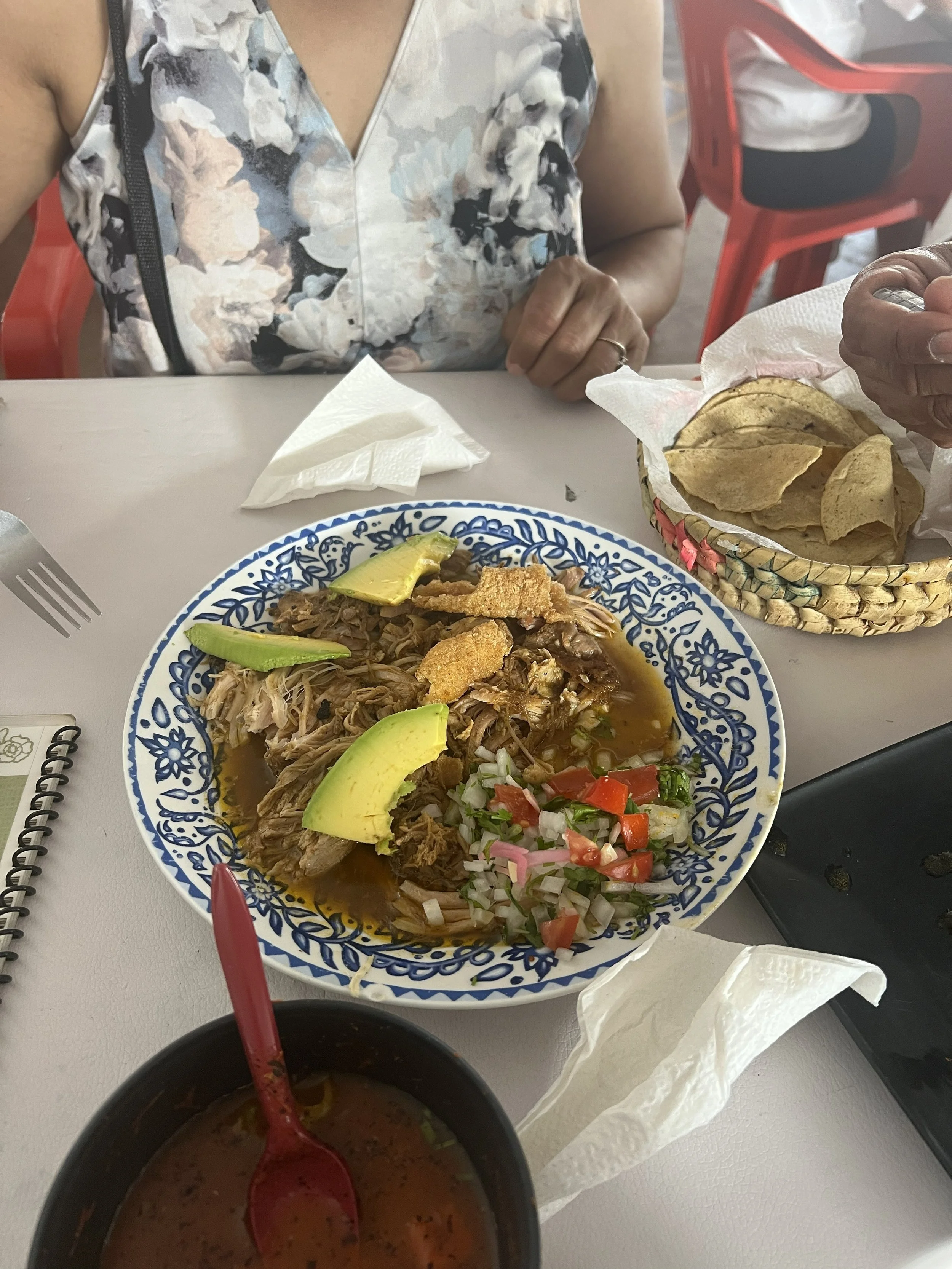
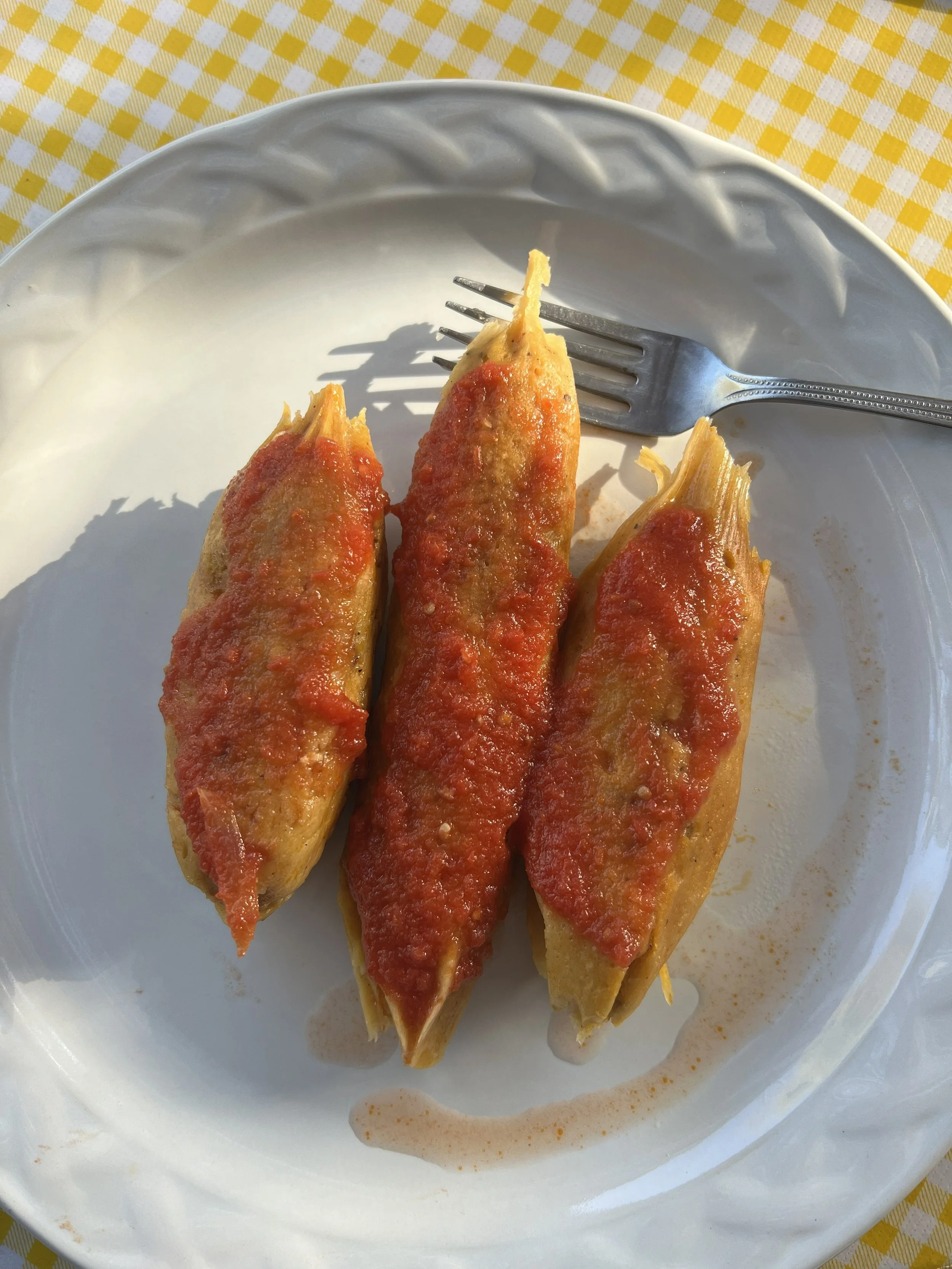
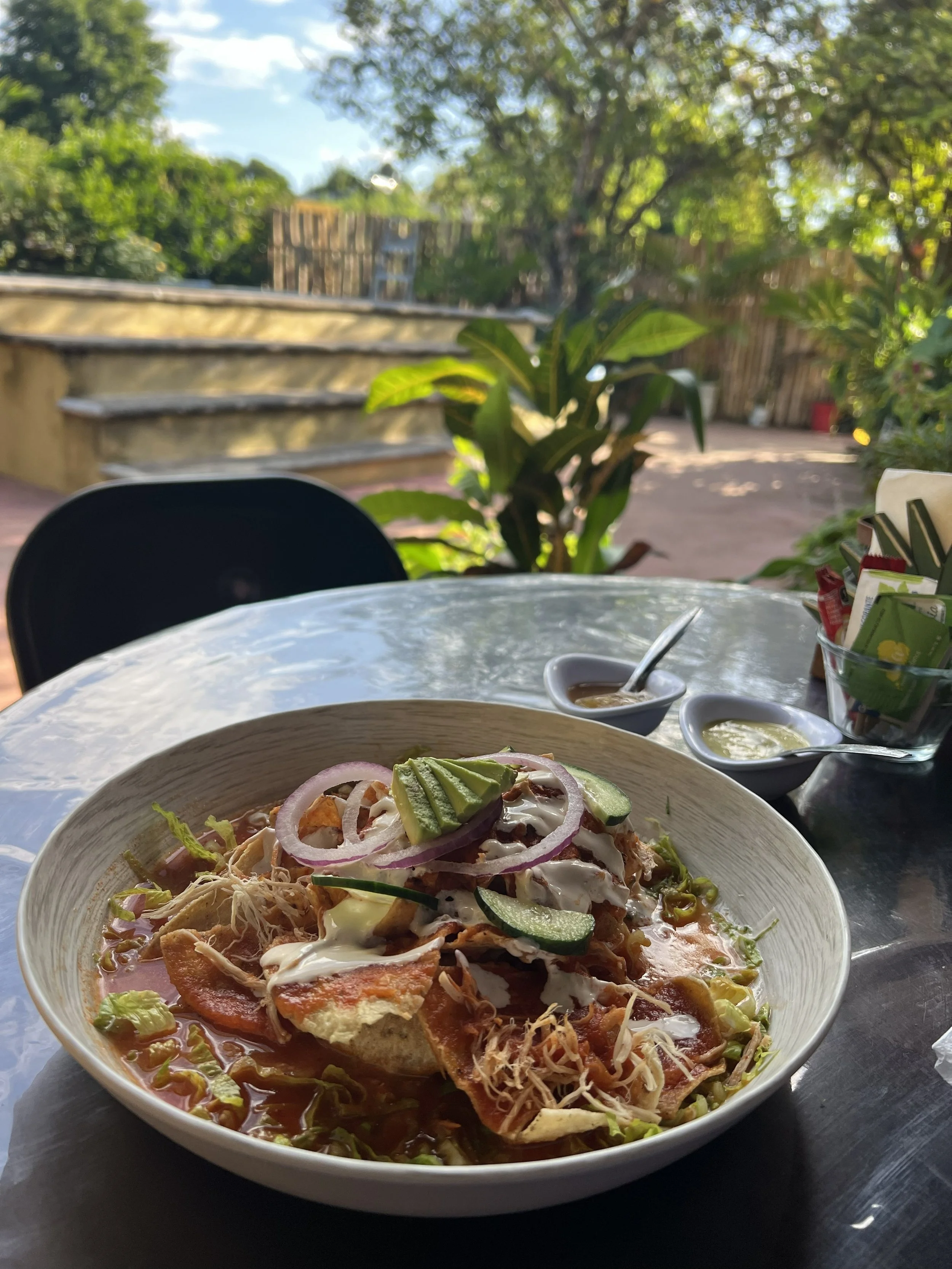
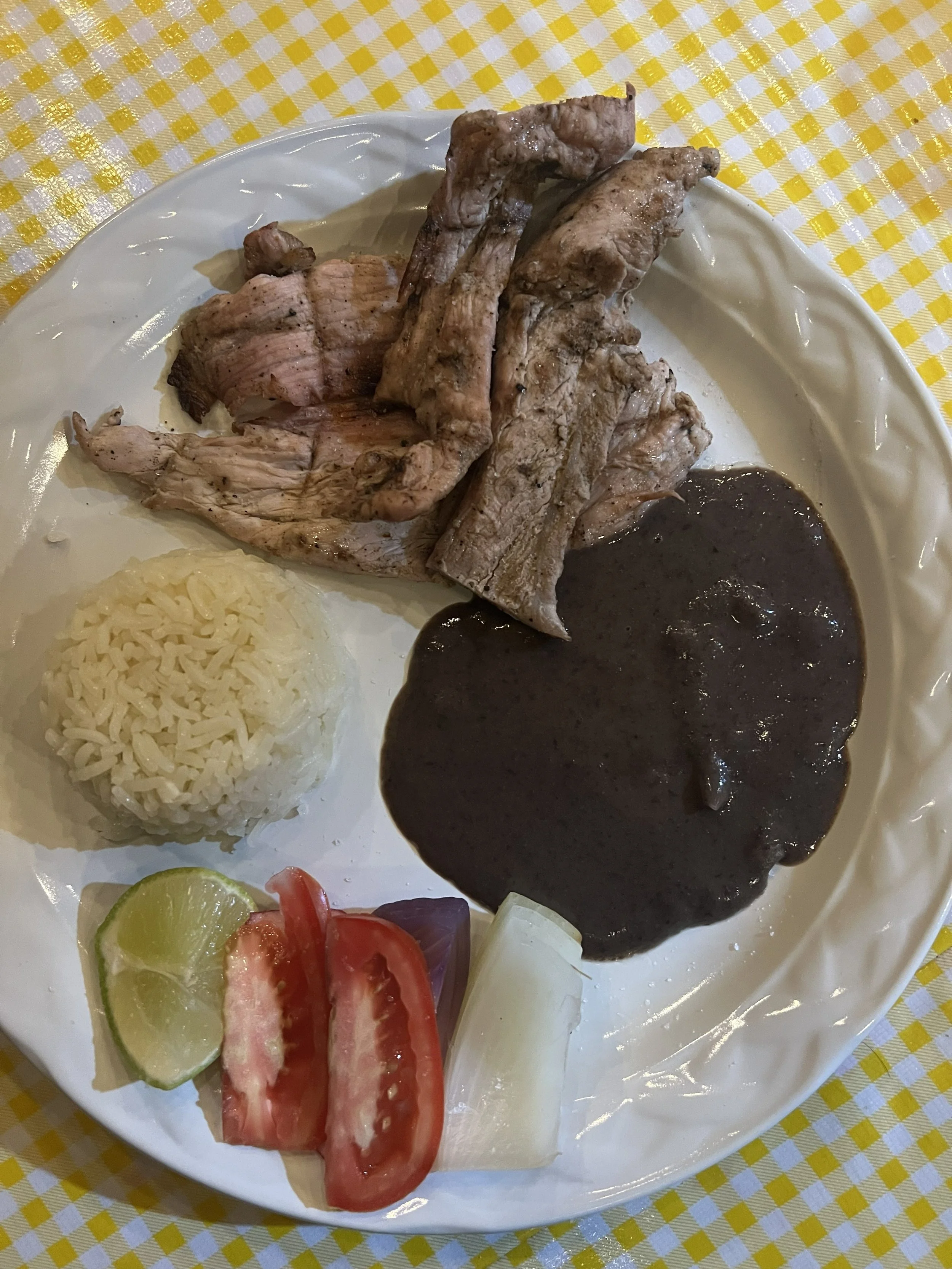
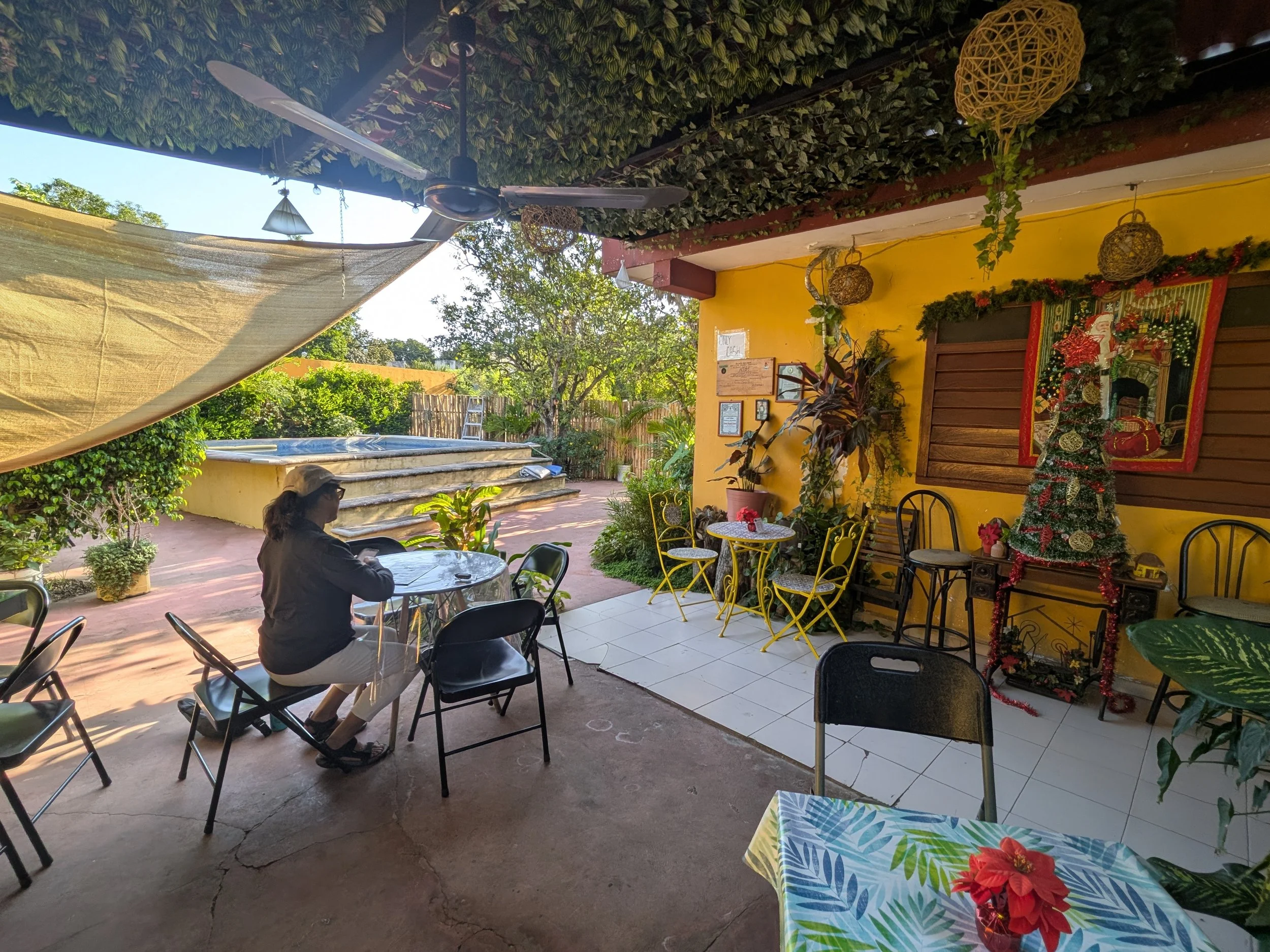
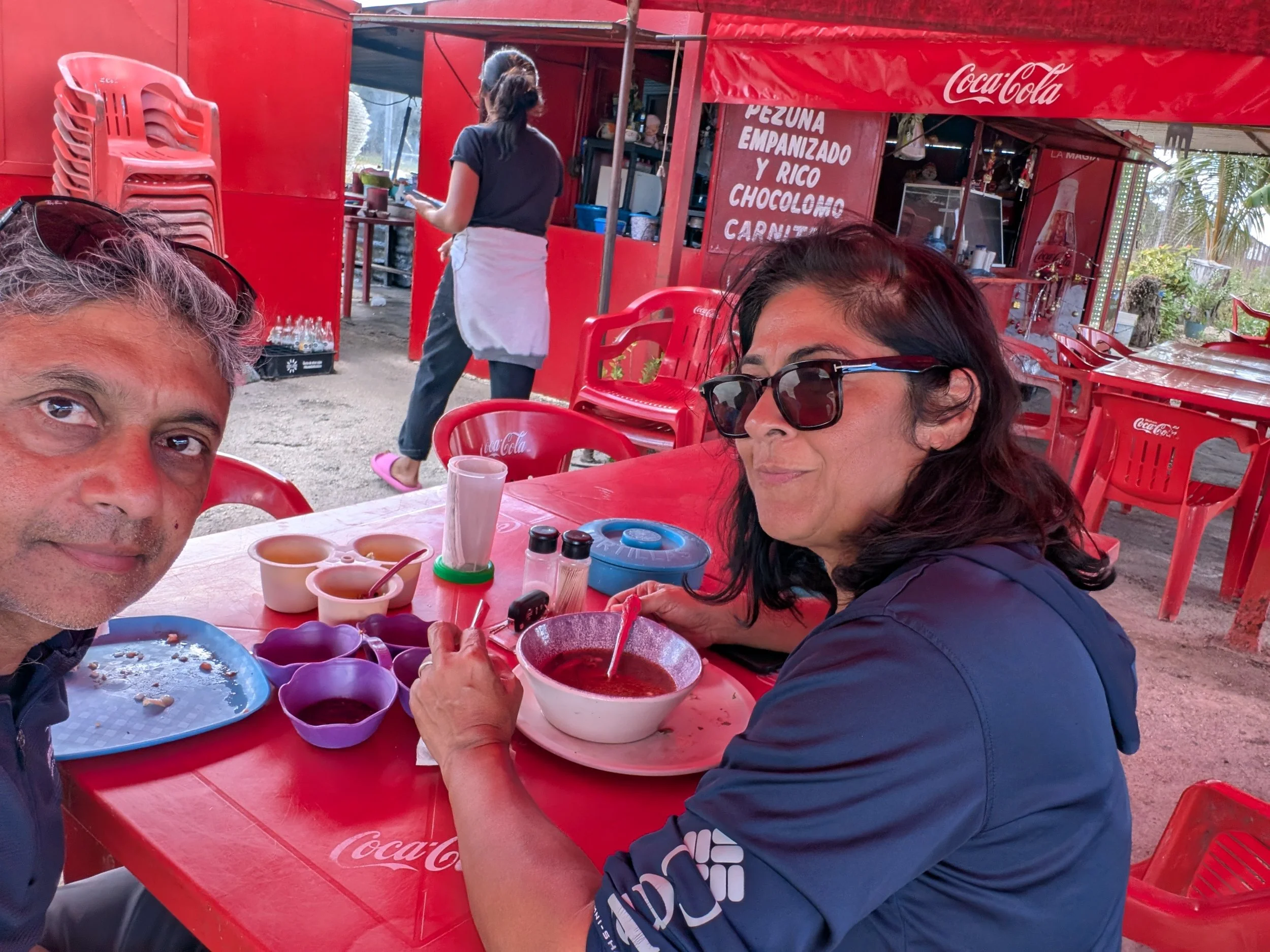
A sampling of the goodies we had and the cafes/eateries we visited
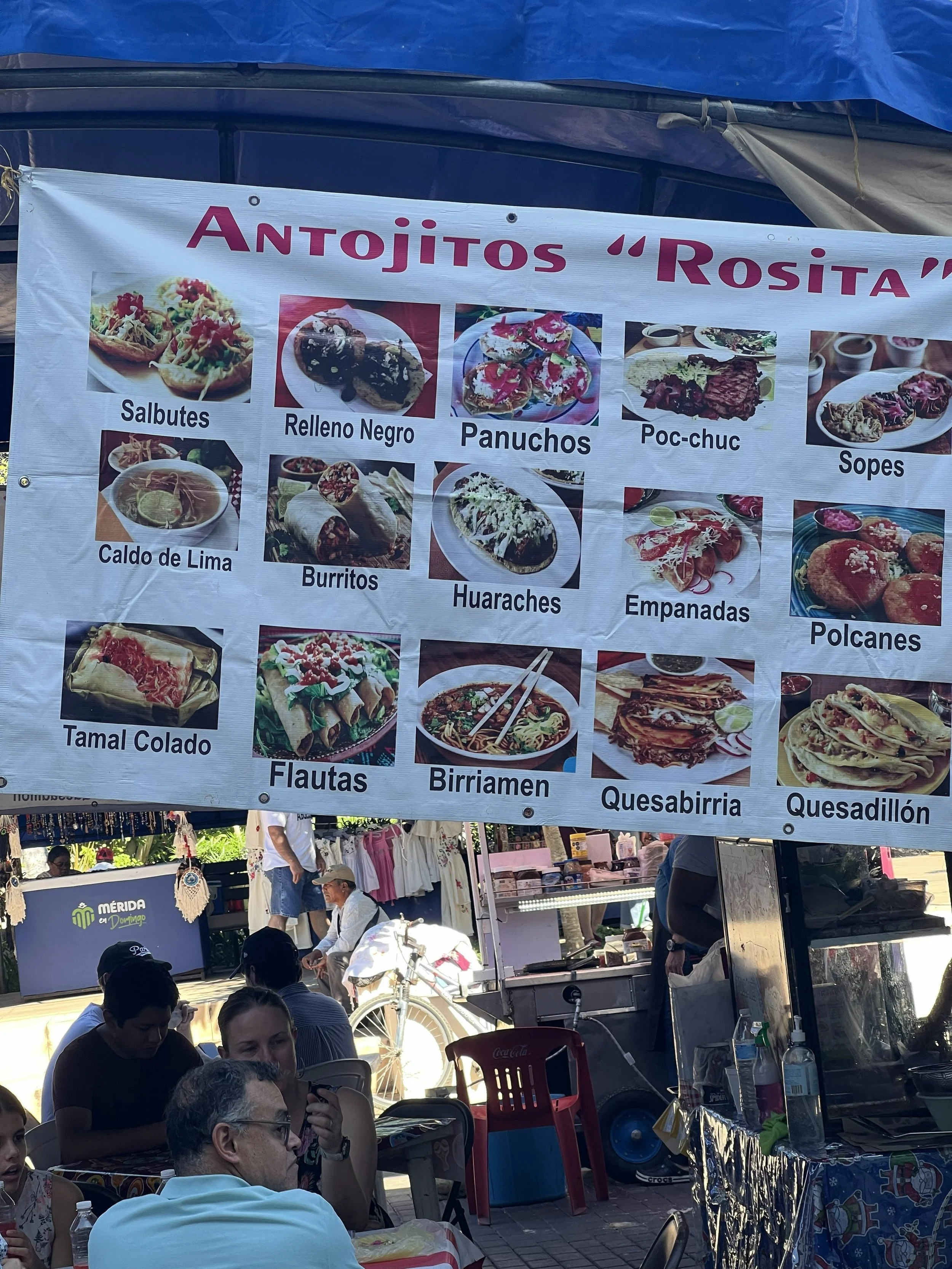
All of these offerings from one cart!
Hammocks for beds
In the Airbnb we stayed in, we were surprised to find hammocks in our bedrooms in addition to regular beds. We were told that the Yucatecans sleep in hammocks, not in beds! And we found this to be 100% true - every bedroom that we happened to peep into in the various villages we drove through, there were only hammocks! But why were we peeping into others’ bedrooms?!!
All in all, a fantastic 2 weeks spent, split between the thriving bohemian Tulum and the sleepy laidback state of Yucatan!
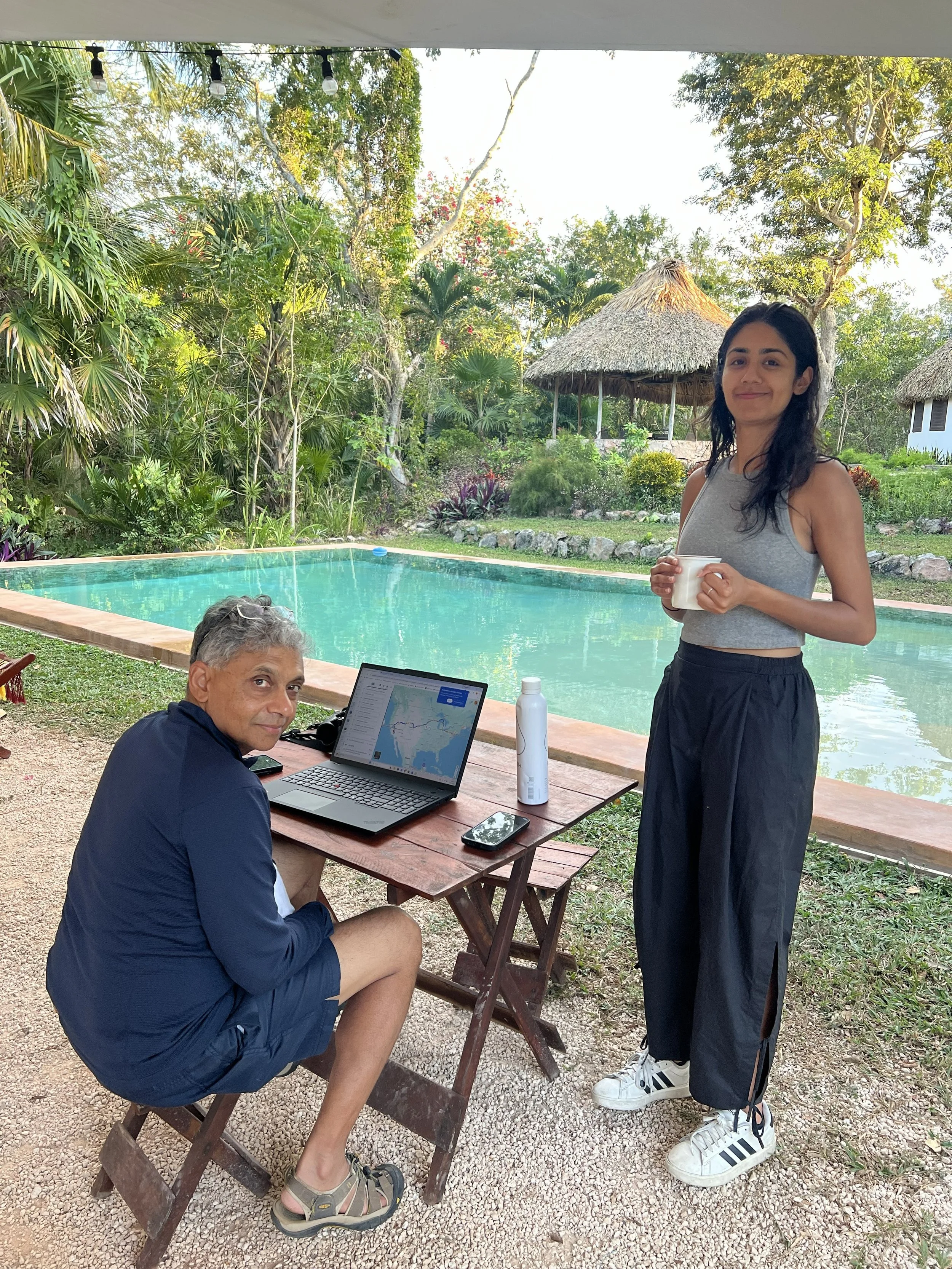
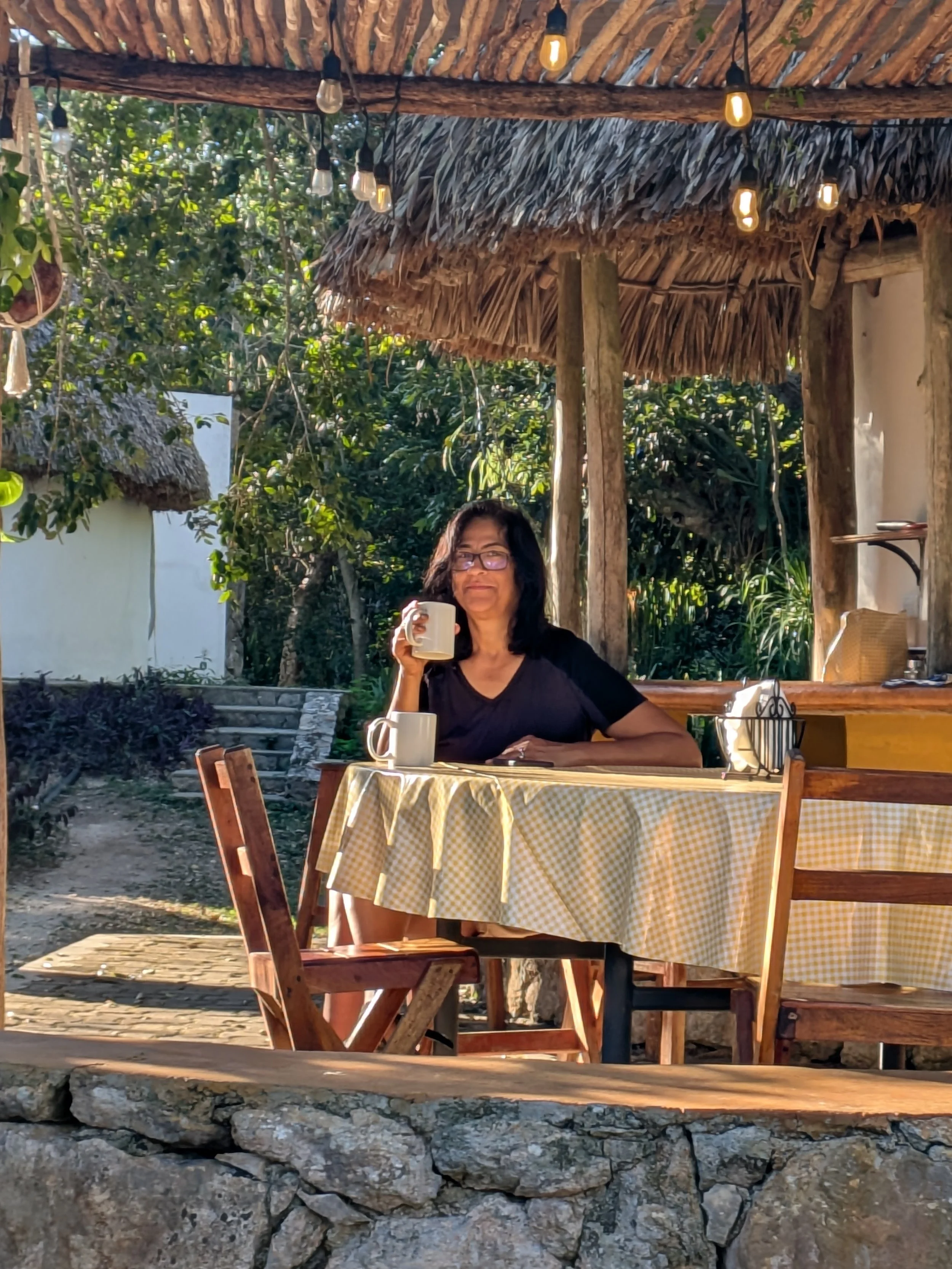
Pics taken in our lovely Airbnb set on a former working ranch, now an idyllic verdant paradise!
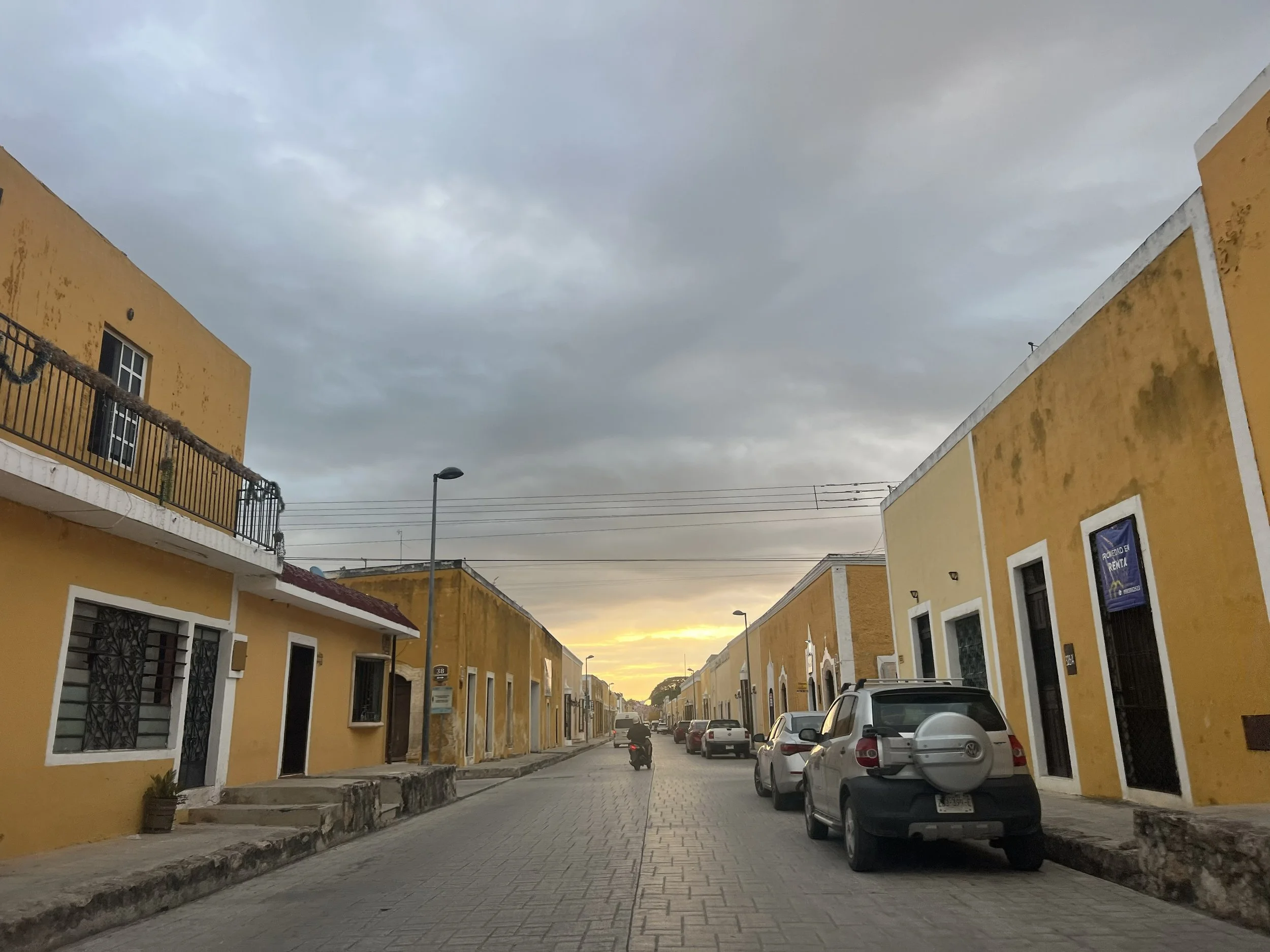
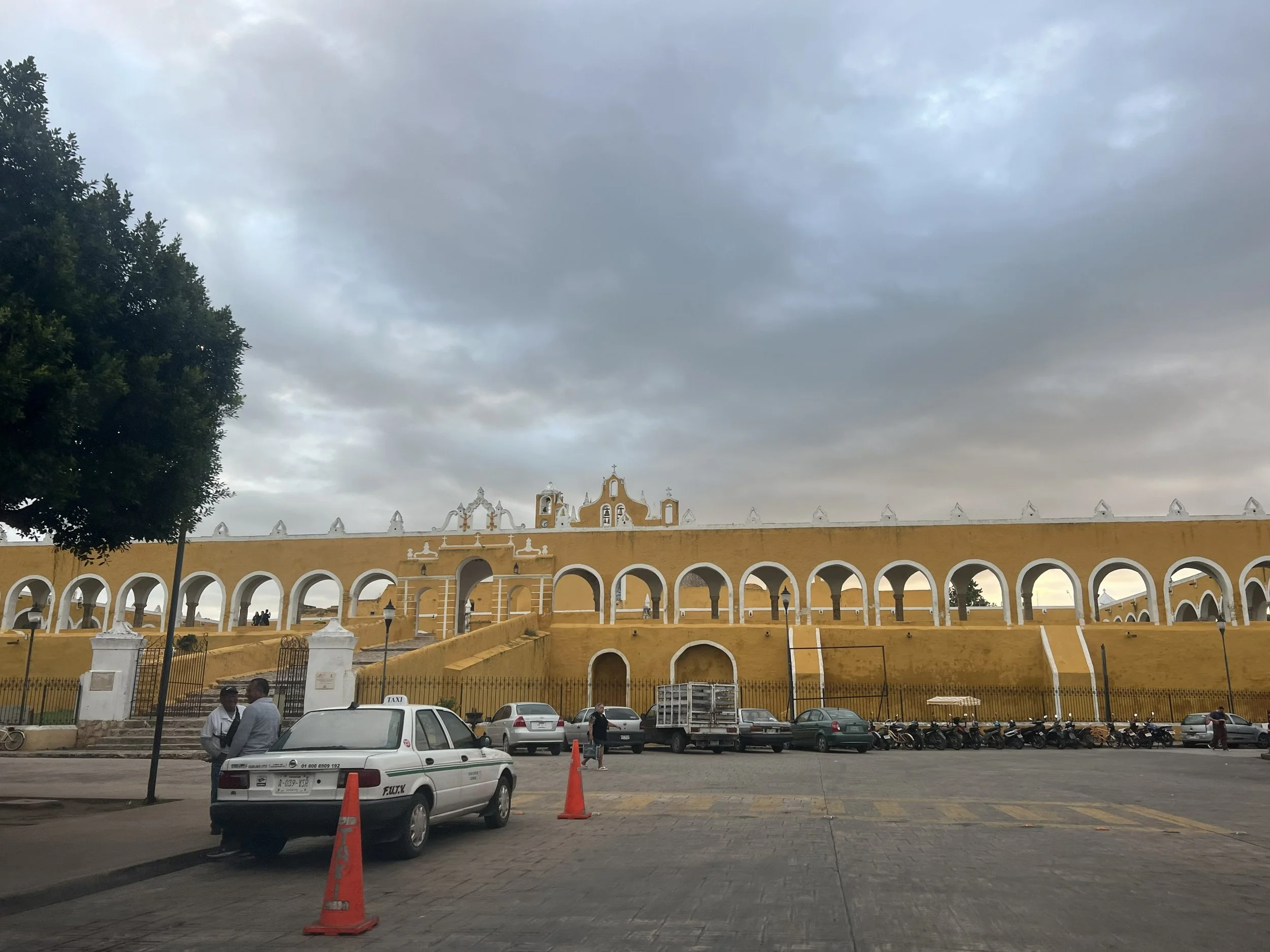
A street in Izamal, known for its vibrant yellow houses
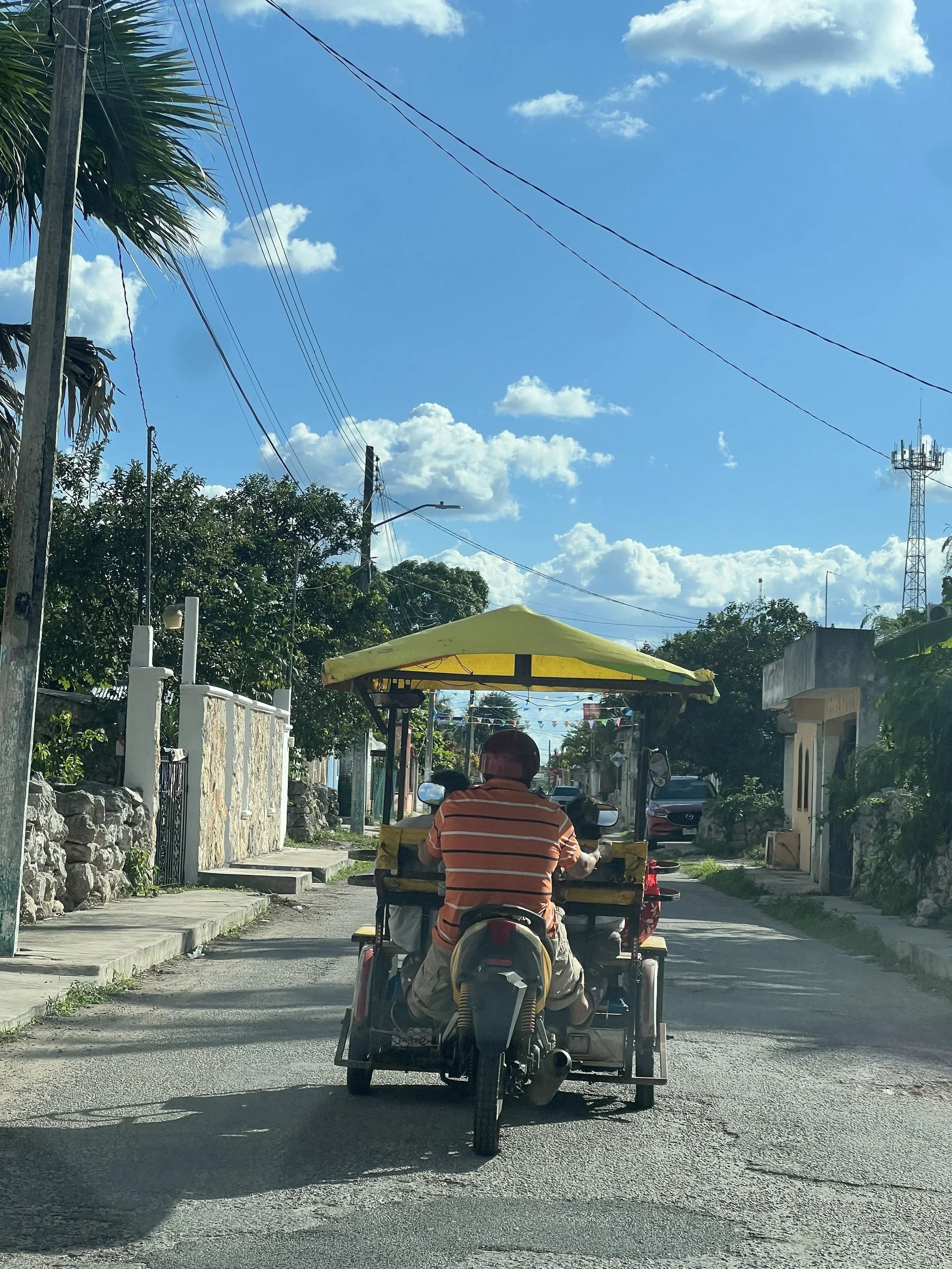
A triciclo (rickshaw), curiously with the driver at the back!
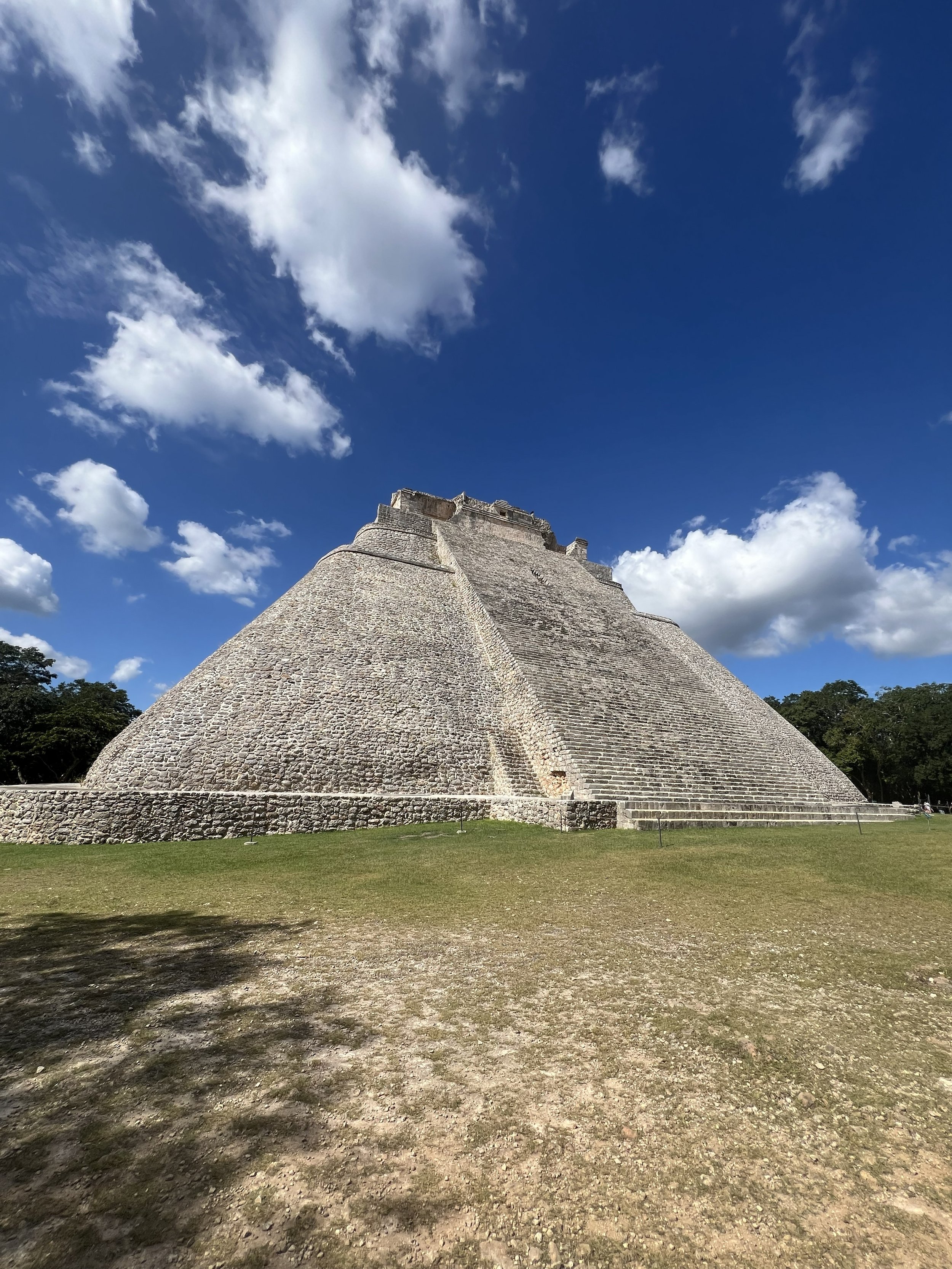
A Mayan pyramid
